Spring Cleaning Counts as Physical Activity Too
Why spring cleaning can flare your body up faster than you expect
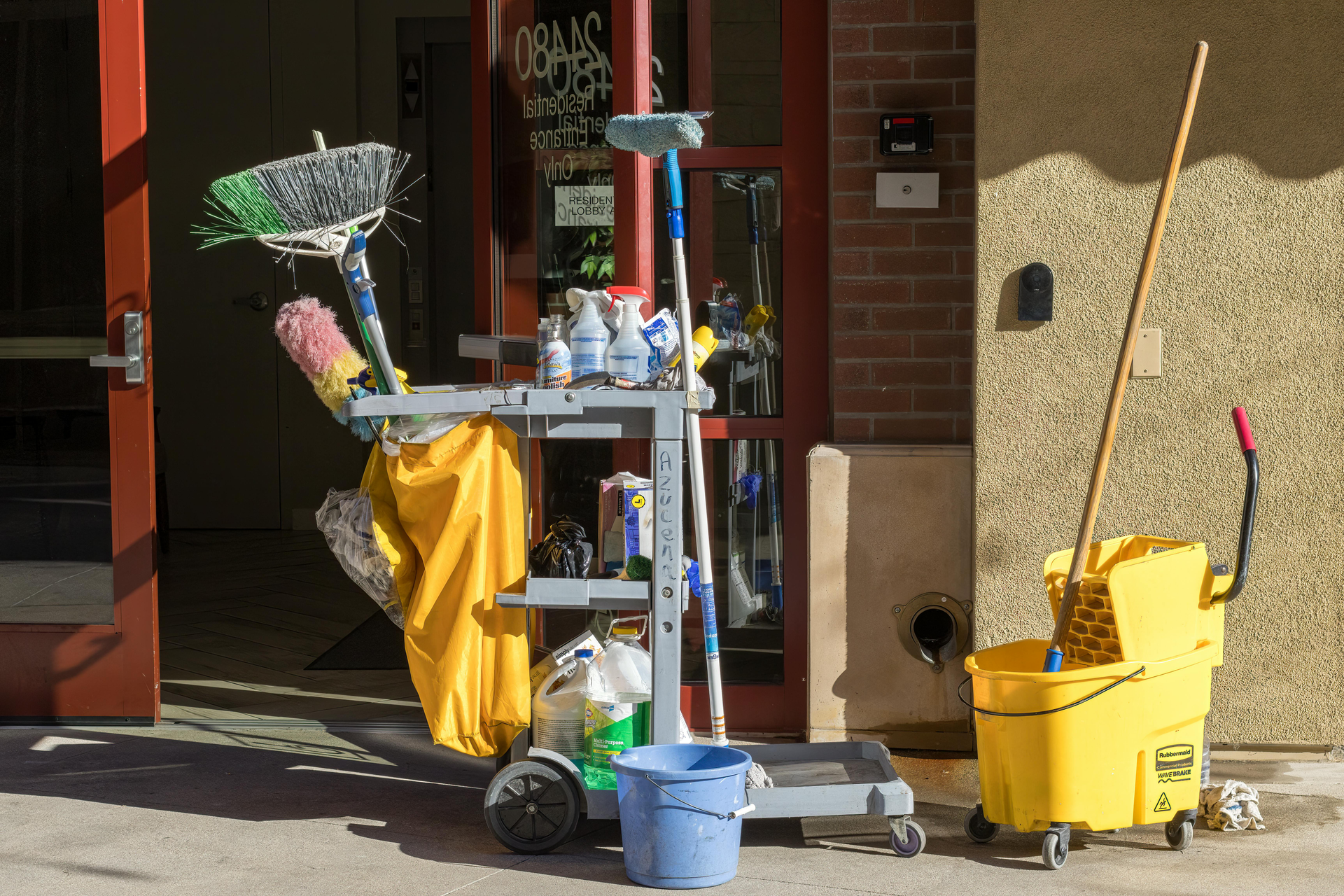
Spring cleaning gets treated like a household chore, but your body does not care what you call it.
Lifting storage bins, dragging boxes, reaching overhead, scrubbing baseboards, twisting into weird corners, hauling trash bags, climbing step stools, and spending hours on your feet is physical activity. A lot of it is repetitive, awkward, and done in positions your body is not used to holding for very long. So when people end up with shoulder pain, neck tension, headaches, or a pissed-off low back after a “productive weekend,” it is usually not random.
Spring cleaning is basically a workout disguised as productivity.
The problem is that most people do not prepare for it like physical activity. They do not pace it, they do not pay attention to movement quality, and they definitely do not think about whether their body is already compensating before they start. They just push through until something starts barking.
Why chores expose pain patterns so quickly
A lot of spring projects combine the exact things that tend to aggravate unresolved restrictions.
You are bending, rotating, carrying uneven loads, reaching outside your normal range, and repeating the same movements over and over. Even if each task seems small, the total load adds up fast. One hour turns into four. A few boxes turn into a whole garage. A quick closet cleanout turns into a full day of awkward movement.
That is when people notice the familiar patterns:
- Low back pain after lifting or prolonged bending
- Neck tension and headaches after looking up, reaching, or scrubbing
- Shoulder pain from overhead work and repetitive arm use
- Hip irritation from squatting, kneeling, or being on your feet for hours
- General stiffness that feels way bigger than the task should have caused
People often assume they just overdid it. Sometimes they did. But if your body consistently reacts hard to normal life tasks, it is worth asking why those tasks are so expensive for your system.
The issue is not just that you did too much
This is where people tend to oversimplify things.
They tell themselves they are getting older, they are out of shape, or they just need to stretch more before doing chores. That might sound reasonable, but it misses a huge part of the picture.
In many cases, the body is already working around restrictions long before spring cleaning starts. Maybe the shoulders do not move well, so the neck takes over. Maybe the hips are not doing their job, so the low back handles more bending and twisting than it should. Maybe old injury patterns, scar tissue, or adhesions are changing how force moves through the body.
Then you add repetitive household tasks on top of that, and the compensation pattern gets exposed fast.
That is why one person can clean out a garage and feel normal sore, while another person does half as much and ends up in a flare for three days. The task matters, but the body you are bringing into the task matters more.
Why common fixes do not always solve it
Most people respond the same way after a spring-cleaning flare.
They rest, stretch, use heat, maybe get a massage, and wait for things to calm down. Sometimes that helps temporarily. But if the same pain shows up every time you do a bigger project, the problem is probably not just soreness.
Temporary relief is not the same as solving the pattern.
If tissue is restricted and not gliding well, the body keeps finding workarounds. Those workarounds may let you function, but they are inefficient. They overload other areas, create repeated stress, and make ordinary tasks feel harder than they should. So even if the pain settles down, the setup for the next flare is still there.
Where ARM fits in
Adhesion Release Methods, or ARM, helps us look at the underlying restrictions that may be driving the pain pattern.
When tissues are stuck, movement changes. Joints do not move as cleanly. Muscles do not fire as efficiently. Load gets shifted into places that were never meant to do all the extra work. Over time, the body builds compensation patterns to keep you going, but those patterns come with a cost.
Spring cleaning is one of those situations that exposes that cost quickly.
ARM is not just about treating the sore spot after you spend all Saturday reorganizing your house. It is about assessing where tissue is not moving well, where the body is compensating, and why a normal project is creating such a big pain response.
That matters because the goal is not just to survive spring projects. The goal is to move through them better, with less backlash afterward.
Signs your body may be dealing with more than normal soreness
It may be worth looking deeper if:
- The same area flares every time you do cleaning, yard work, or house projects
- Your pain feels disproportionate to the amount of work you did
- You keep blaming one task, but the pattern shows up across different activities
- Stretching and rest help a little, but the issue keeps coming back
- You have had pain for months and bigger projects always make it worse
That does not automatically mean ARM is the answer for every person. But it does mean your body may be showing you a pattern, not just a one-off bad day.
A better way to think about spring projects
You should be able to participate in your life without paying for it for days afterward.
That includes cleaning your house, reorganizing your garage, switching seasonal clothes, deep-cleaning your kitchen, and doing the normal physical tasks that come with adulthood. If your body keeps treating those tasks like a threat, that is useful information.
You do not need to stop doing things. You need to understand why your body is struggling to do them.
CTA
If spring cleaning keeps waking up the same shoulder, neck, hip, or low back pain, it may be time to look at the underlying restrictions instead of just waiting for the flare to pass. Book an appointment at The Middle Wellness to assess whether adhesions and compensation patterns are making normal projects harder on your body than they should be.