Mother’s Day Reminder: Caregivers Need Care Too
The people doing the most are usually the ones ignoring their own body the longest
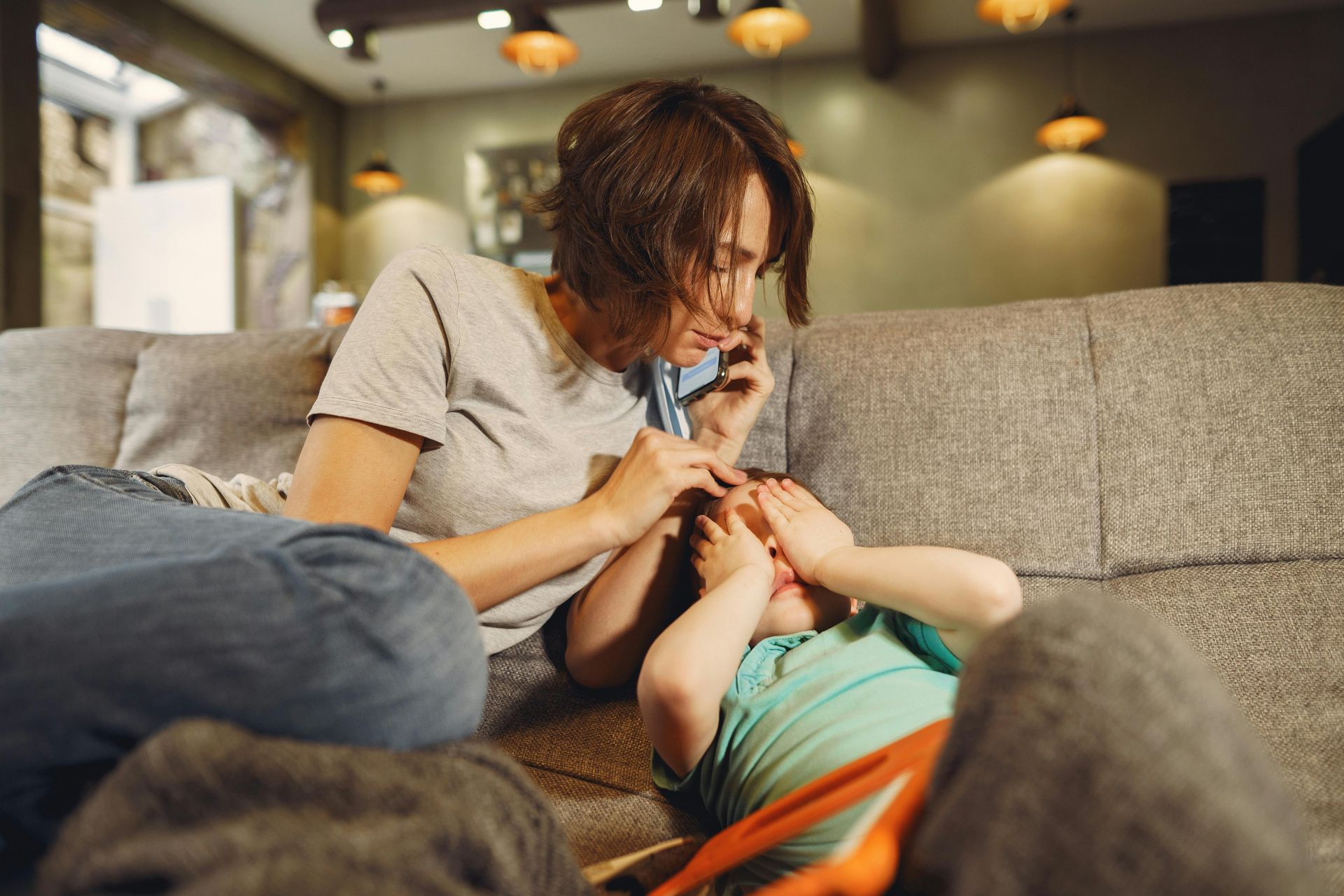
Mother’s Day tends to bring up the same kind of messaging every year. Celebrate moms. Appreciate caregivers. Acknowledge the women holding everything together.
And yes, absolutely.
But there is another part of that conversation that does not get enough attention.
The people doing the most for everyone else are often the ones ignoring their own body the longest.
Caregivers, moms, and women carrying the mental and physical load are usually experts at pushing through. They keep the schedule moving, remember what everyone needs, handle the invisible labor, and keep showing up even when their own body is sending very clear signals that something is off.
By the time they ask for help, they are often already deep into the cycle of chronic pain, recurring headaches, constant tension, exhaustion, and the kind of physical burnout that has been building for a long time.
Why caregivers are so good at ignoring pain
A lot of women have been taught, directly or indirectly, that their own needs come last.
Take care of the kids. Take care of the house. Take care of the work. Take care of the family. Be flexible. Be reliable. Be grateful. Do not be dramatic. Do not slow everyone down. Do not make it about you.
So they adapt.
They normalize the headaches. They work around the neck tension. They accept the low back pain. They stop expecting their body to feel good and start measuring success by whether they can keep functioning.
That might work for a while. But pushing through is not the same thing as being okay.
Just because you can keep going does not mean your body is doing well.
The physical load is real, even when it is invisible
Caregiving is not just emotional labor. It is physical too.
It is carrying kids, lifting laundry baskets, leaning over bathtubs, loading groceries, sitting in awkward positions, sleeping lightly, driving constantly, standing in kitchens, cleaning up messes, and staying in motion all day without much recovery. Even when children are older, the physical tension often stays because the mental load never really turns off.
That is why so many caregivers live with patterns like:
- Chronic neck and shoulder tension
- Frequent headaches
- Low back pain
- Hip pain
- Jaw clenching and upper body tightness
- General fatigue and stiffness that never fully goes away
These symptoms get brushed off as stress, aging, or just part of being busy. Sometimes stress is part of it. But recurring pain patterns are still worth paying attention to.
Why waiting until you break down is a bad strategy
A lot of caregivers only seek care when the pain becomes impossible to ignore.
When they cannot sleep. When they cannot turn their head. When the headaches are too frequent. When the low back gives out. When the body finally interrupts the routine they were trying so hard to protect.
That is a brutal threshold.
You do not need to earn care by breaking down first.
Taking care of your body is not selfish. It is responsible. If your body is carrying the physical cost of everyone else’s needs, it deserves attention before things hit a crisis point.
Why symptom management is not always enough
Many caregivers are used to doing the minimum required to get through.
A little stretching. A quick massage. Some rest when possible. Maybe heat, ibuprofen, or a few minutes alone in the car before going back inside.
Those things can help temporarily. But if the same pain patterns keep returning, it is worth asking whether you are only managing symptoms instead of understanding the cause.
If tissues are restricted, if movement is limited, or if the body has built compensation patterns around unresolved issues, then short-term relief may not change the setup that keeps recreating the pain.
That is where people get stuck. They become highly functional at surviving discomfort without ever getting a real explanation for why it keeps happening.
Where ARM fits in
Adhesion Release Methods, or ARM, offers a more root-cause-focused way to assess what your body may actually need.
Instead of only chasing the area that hurts the most, ARM looks at adhesions, restrictions, and compensation patterns that may be driving the problem underneath. When tissue is not gliding well, the body adapts. It shifts load, overuses certain muscles, and creates movement strategies that keep you functioning but often at a cost.
That cost tends to show up as recurring pain, tension, and flare-ups that never seem fully resolved.
ARM matters because the painful area is not always the source of the problem. Sometimes it is just the area doing extra work for something else that is not moving well.
If you have been living with chronic pain, recurring headaches, or constant tension, a better assessment may matter more than another temporary fix.
A better message for Mother’s Day
Mother’s Day should not just be about celebrating how much women carry.
It should also be a reminder that the person carrying so much deserves care too.
Not after she collapses. Not after she burns out. Not after the pain gets bad enough to disrupt everything.
Now.
CTA
If you have been pushing through chronic pain, headaches, or constant tension while taking care of everyone else, it may be time to stop waiting for your body to force the issue. Book an appointment at The Middle Wellness to assess whether adhesions, restrictions, and compensation patterns are contributing to the pain you have been trying to manage on your own.