Memorial Day Weekend and the Cost of Overdoing It
One long weekend has a way of exposing what your body has been barely managing
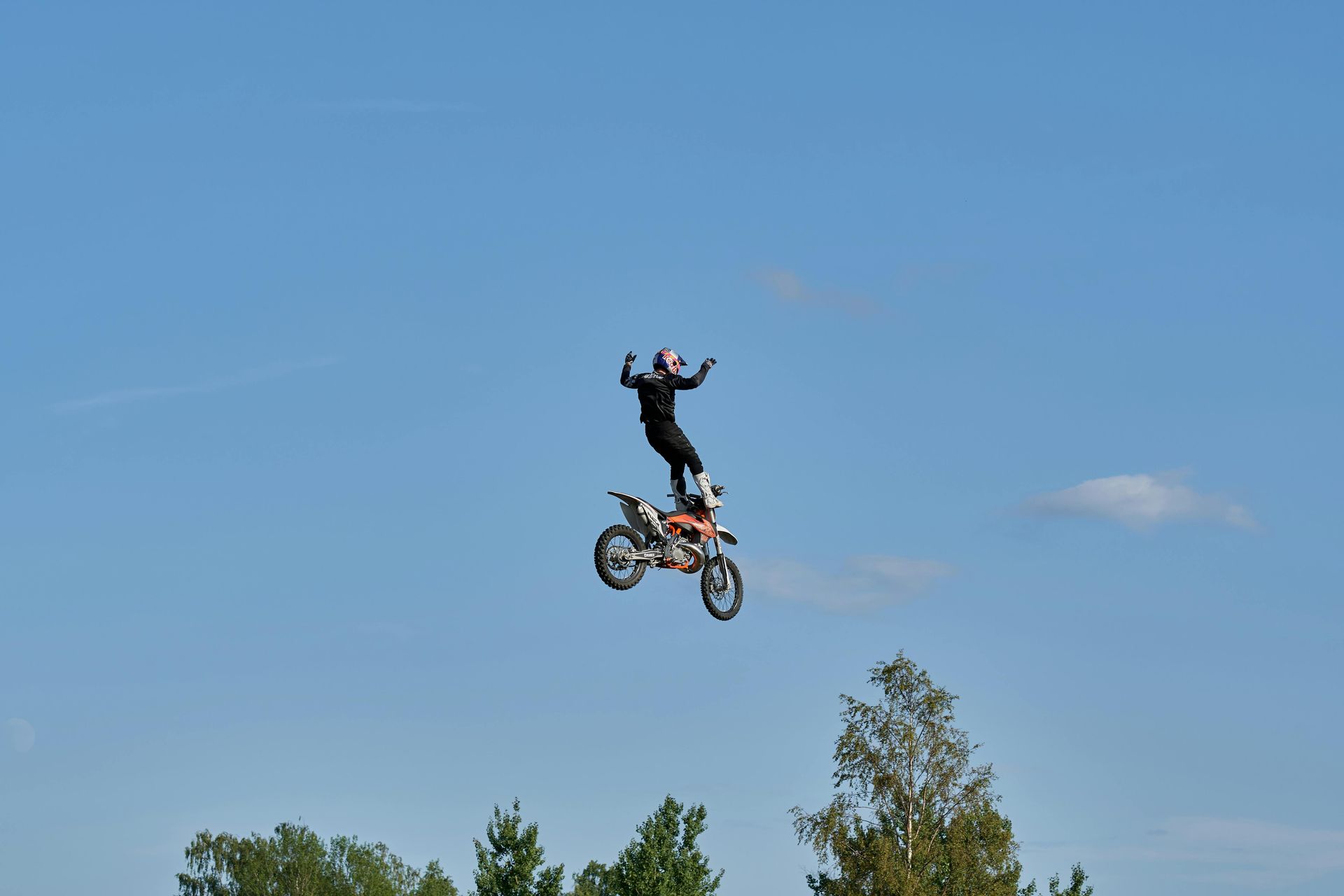
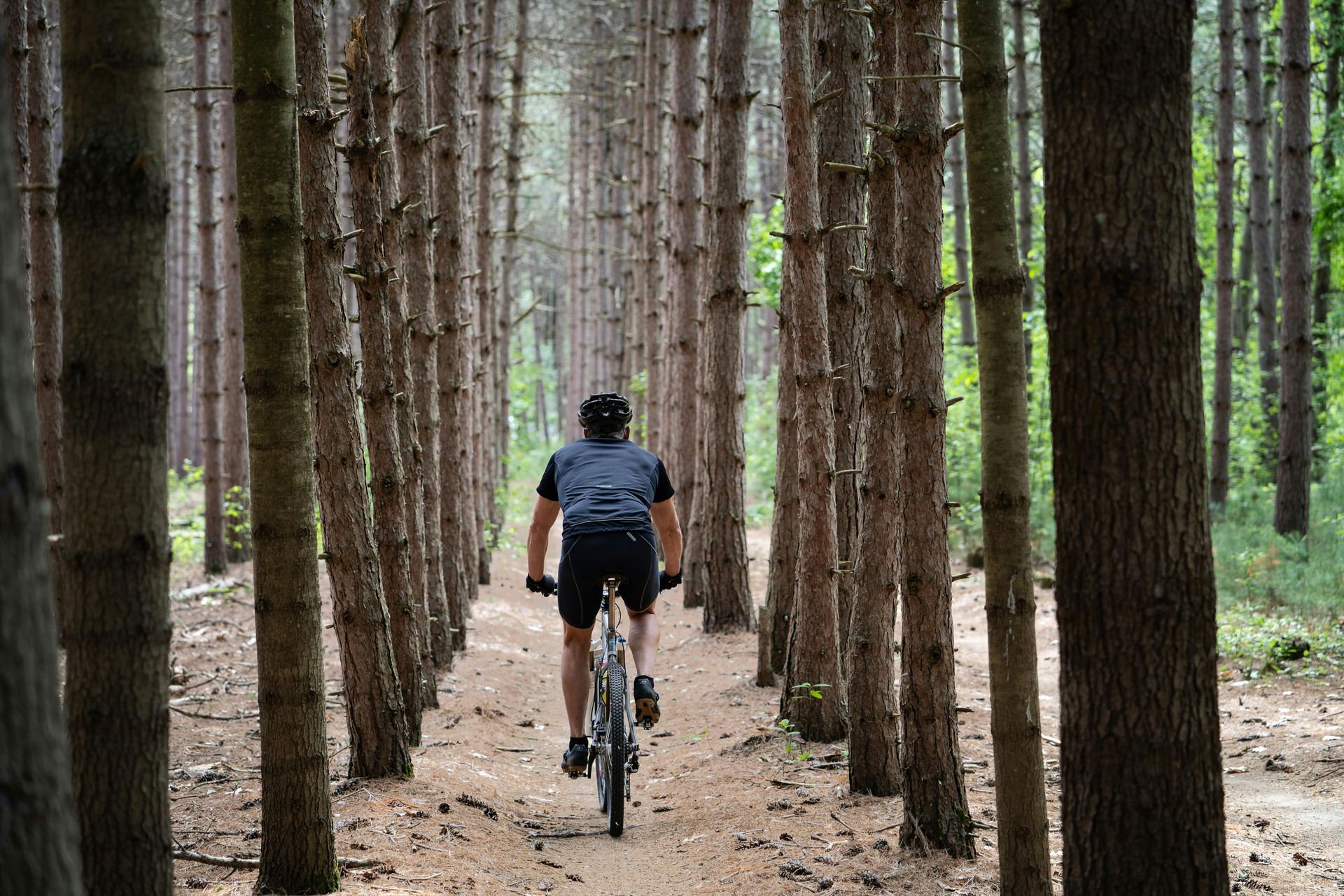
Memorial Day weekend tends to mark the unofficial start of summer. People pack the schedule fast. Road trips, yard projects, hiking, barbecues, boating, hosting, cleaning, travel, extra walking, lifting coolers, hauling chairs, sleeping somewhere other than home, and trying to squeeze a full week of activity into three days.
There is nothing wrong with enjoying the holiday. The problem is that a lot of bodies are not ready for the sudden spike in demand.
That is why people often hit Tuesday feeling wrecked.
The low back is flared. The hips are tight. The shoulders are angry. The neck is locked up. The headache that started during the drive never fully left. Everyone acts surprised, but the pattern is incredibly common.
Why holiday weekends hit so hard
The issue is not just that you were active. It is that holiday weekends stack a lot of different stressors at once.
You may sit for hours in the car, then unload bags, then stand around cooking, then sleep in a different bed, then wake up and do yard work, then go on a hike, then spend the next day on a boat or chasing kids outside. None of those things seem outrageous on their own. Together, they add up fast.
That kind of sudden spike in activity is one of the fastest ways to flare up an old issue.
Your body can sometimes tolerate a lot when demand builds gradually. It tends to struggle more when the load jumps all at once, especially if you are layering awkward movement, poor recovery, disrupted sleep, travel, and alcohol or dehydration on top of it.
The pain is usually not random
A lot of people treat post-holiday pain like bad luck.
They blame the drive, the mattress, the yard work, the boat, or the fact that they are getting older. Sometimes those things contribute. But if the same pain keeps resurfacing every time life gets more active, that is usually a pattern, not a coincidence.
Maybe your low back always lights up when you bend, lift, and sit more in the same weekend. Maybe your neck and shoulders always tighten up with travel and hosting. Maybe your hips get angry every time you walk more than usual and then spend hours sitting afterward.
The holiday did not necessarily create the problem. It exposed the problem your body has already been compensating around.
Why “I just overdid it” is not the full story
Sometimes you really did overdo it. That part can be true.
But if your body repeatedly falls apart under the same kinds of demand, the bigger question is why those demands are so expensive for your system in the first place.
This is where people get stuck in the flare-and-recover cycle. They rest for a few days, stretch a little, maybe get a massage, feel somewhat better, and then go right back to normal until the next busy weekend brings the same issue back.
That approach may calm symptoms, but it does not explain the pattern.
If tissues are restricted, if movement is limited, or if the body has built compensation strategies around an unresolved issue, then a busy weekend is often enough to make that setup obvious.
Where ARM fits in
Adhesion Release Methods, or ARM, can help us look at the restrictions underneath that pattern.
When tissue is not gliding well, the body adapts. It shifts load, overuses certain muscles, changes movement mechanics, and creates workarounds that let you function. Those workarounds may be good enough for ordinary days. They often stop being good enough when life gets more active.
That is why the same pain can keep resurfacing whenever you travel more, lift more, walk more, or try to pack too much into a short amount of time.
ARM is useful because it looks beyond the sore area and asks better questions:
- What tissue is restricted?
- Where is the body compensating?
- Why does this same pain show up under load?
- What is your body working around that has never been fully addressed?
If you want a different outcome after busy weekends, you usually need more than temporary recovery strategies.
Signs this may be more than normal soreness
It may be worth looking deeper if:
- The same area flares every time you have a busy weekend
- Travel, yard work, or extra activity reliably trigger pain
- Your pain feels bigger than the amount of activity should have caused
- You keep managing symptoms, but the same pattern returns
- You are tired of planning fun weekends around what your body might punish you for later
That does not mean every sore Tuesday is a major issue. It does mean repeat patterns deserve more attention than a shrug and a heating pad.
Enjoy the weekend without paying for it all week
You should be able to enjoy a holiday weekend without spending the next several days trying to recover from it.
The goal is not to avoid activity. The goal is to understand why your body keeps struggling with normal seasonal demands so you can stop getting blindsided every time life gets busy.
CTA
If Memorial Day weekend tends to bring the same low back pain, hip irritation, headaches, or neck tension back to life, it may be time to look deeper than “I just overdid it.” Book an appointment at The Middle Wellness to assess whether adhesions, restrictions, and compensation patterns are setting you up for the same flare every time activity ramps up.